

Kenya has secured continued financial backing from the African Export-Import Bank (Afreximbank) under a comprehensive $3 billion country programme aimed at bolstering the nation’s budget, industrialization, fuel importation, and agricultural development.
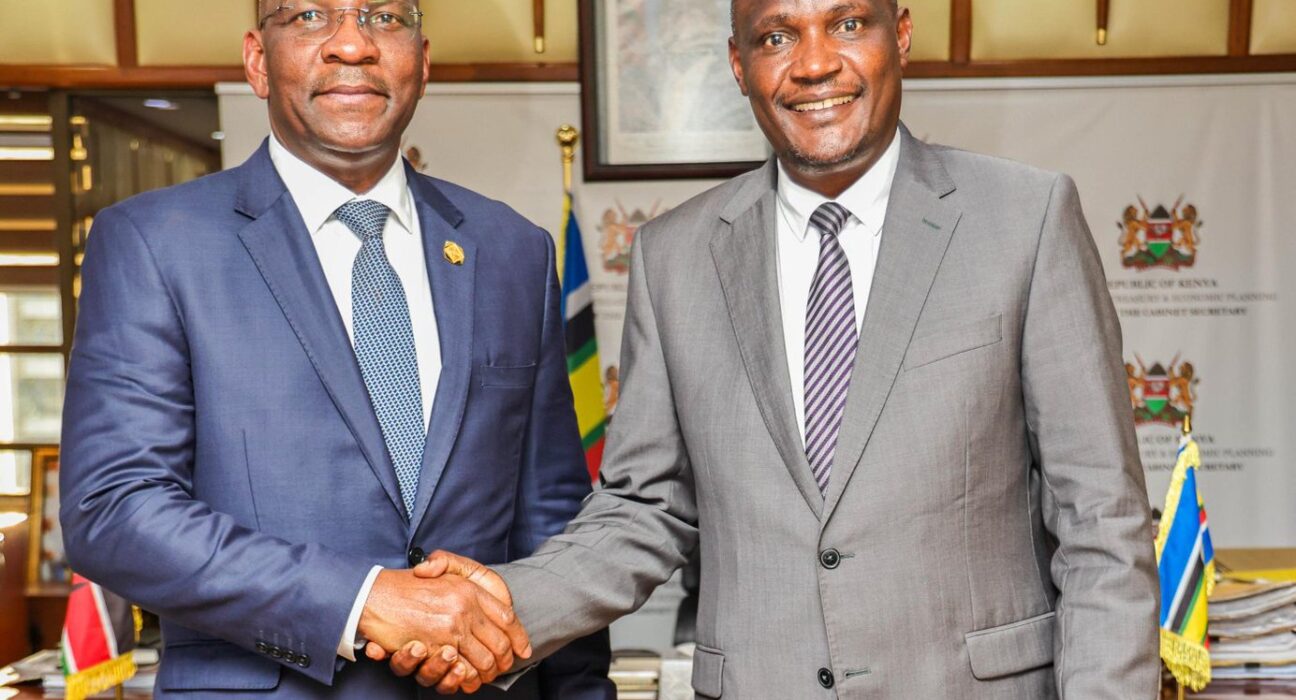
The reaffirmation of the partnership came during a high-level meeting in Nairobi on Monday between Cabinet Secretary for Finance, Planning and Economic Development Hon. FCPA John Mbadi, and Afreximbank Senior Executive Vice President, Mr. Denys Denya.
Funding Breakdown and Key Components
According to officials, the Kenya Country Programme includes a range of financing instruments designed to support the government’s medium-term fiscal and development agenda. Highlights include:
- Budget Support: A USD 300 million disbursement for the financial year 2023/24, intended to support national expenditure and strengthen fiscal buffers.
- Fuel Imports: USD 2 billion in Letters of Credit (LCs) earmarked for a Government-to-Government (G-to-G) fuel importation framework, designed to ensure stable energy supply and reduce foreign exchange pressures.
- Industrial Development: USD 500 million allocated for the Vipingo Industrial Park, a strategic project aimed at boosting manufacturing, export capacity, and employment in the Coast region.
- Agriculture and Food Security: USD 50 million facility dedicated to enhancing agricultural productivity and ensuring food security, aligning with Kenya’s Big Four Agenda.
During the meeting, Mr. Denya underscored Afreximbank’s long-standing commitment to Kenya’s economic growth. “Our partnership with Kenya remains strong,” he said. “We continue to align our financing priorities with the country’s industrialization and development strategies, ensuring sustainable economic impact.”
CS Mbadi welcomed the updates, highlighting the critical role of Afreximbank in supporting Kenya’s fiscal stability and strategic projects. “These funds are a crucial pillar in Kenya’s development programme,” he said. “They provide both immediate budget support and medium-term investment in industrialization and food security, which are key to our economic transformation.”
Strategic Implications for Kenya’s Economy
The $3 billion programme represents a significant boost for Kenya’s fiscal and development planning. The $2 billion in LCs, in particular, is expected to stabilize the country’s fuel supply chains and mitigate foreign exchange risks. Kenya has faced pressure in recent years to secure affordable fuel imports amid global energy price volatility. By leveraging G-to-G arrangements facilitated by Afreximbank, the government aims to shield consumers and businesses from supply disruptions.
On the industrial front, the Vipingo Industrial Park project is anticipated to generate substantial economic value. Strategically located in Kilifi County, Vipingo is expected to attract manufacturing investors, create thousands of jobs, and expand Kenya’s export base, particularly in textiles, agro-processing, and logistics. The $500 million commitment from Afreximbank is likely to accelerate infrastructure development and attract private sector participation.
The agriculture and food security facility will support critical interventions in farming inputs, value addition, and storage infrastructure. Analysts note that these measures are vital to enhancing domestic food production, reducing reliance on imports, and safeguarding against climate-related shocks.
Afreximbank’s Role in Africa’s Development
Afreximbank, headquartered in Cairo, Egypt, is one of Africa’s leading financial institutions, providing trade and project financing to support industrialization, infrastructure, and economic growth across the continent. Kenya has been a longstanding partner, with the bank financing various infrastructure projects, energy initiatives, and trade facilitation programmes over the past decade.
In addition to funding, Afreximbank provides technical support and advisory services, helping governments design and implement projects with high economic and social impact. “Our engagements go beyond financing; we focus on projects that catalyze industrial growth, enhance trade competitiveness, and promote inclusive development,” Mr. Denya said.
Context: Kenya’s Economic Strategy
Kenya’s fiscal strategy in recent years has emphasized industrialization, energy security, and agricultural productivity, reflecting the priorities of the Big Four Agenda. The government has increasingly leveraged partnerships with multilateral institutions such as Afreximbank, the African Development Bank, and the World Bank to mobilize capital for strategic projects.
The Vipingo Industrial Park, for instance, is part of a broader plan to develop industrial clusters along the Coast, integrating manufacturing, logistics, and export-oriented production hubs. Similarly, government-to-government arrangements for fuel imports aim to address structural vulnerabilities in energy supply and reduce the country’s exposure to global market shocks.
Next Steps and Outlook
Officials indicated that the programme is already underway, with the USD 300 million budget support disbursement for FY 2023/24 released to enhance fiscal capacity. The remaining commitments, including Letters of Credit for fuel imports and industrial and agricultural financing, are expected to roll out over the next financial year.
Analysts view this support as a critical enabler for Kenya’s medium-term development strategy. “Access to structured financing from institutions like Afreximbank allows Kenya to implement large-scale projects without overstretching its domestic resources,” said economic analyst Grace Mwangi. “It’s a model of strategic partnership that combines fiscal support with sectoral development.”
The collaboration underscores Kenya’s continued attractiveness to pan-African development finance institutions, reflecting confidence in the country’s economic policy framework and strategic growth trajectory.
The Afreximbank-Kenya partnership illustrates how targeted multilateral financing can support national development priorities. From budgetary support and fuel import stability to industrialization and food security, the $3 billion Kenya Country Programme exemplifies structured financial cooperation aimed at sustainable economic transformation.
As the projects unfold, stakeholders will be closely monitoring outcomes in terms of job creation, export growth, energy security, and agricultural productivity, providing a benchmark for future engagements with regional and international development partners.