


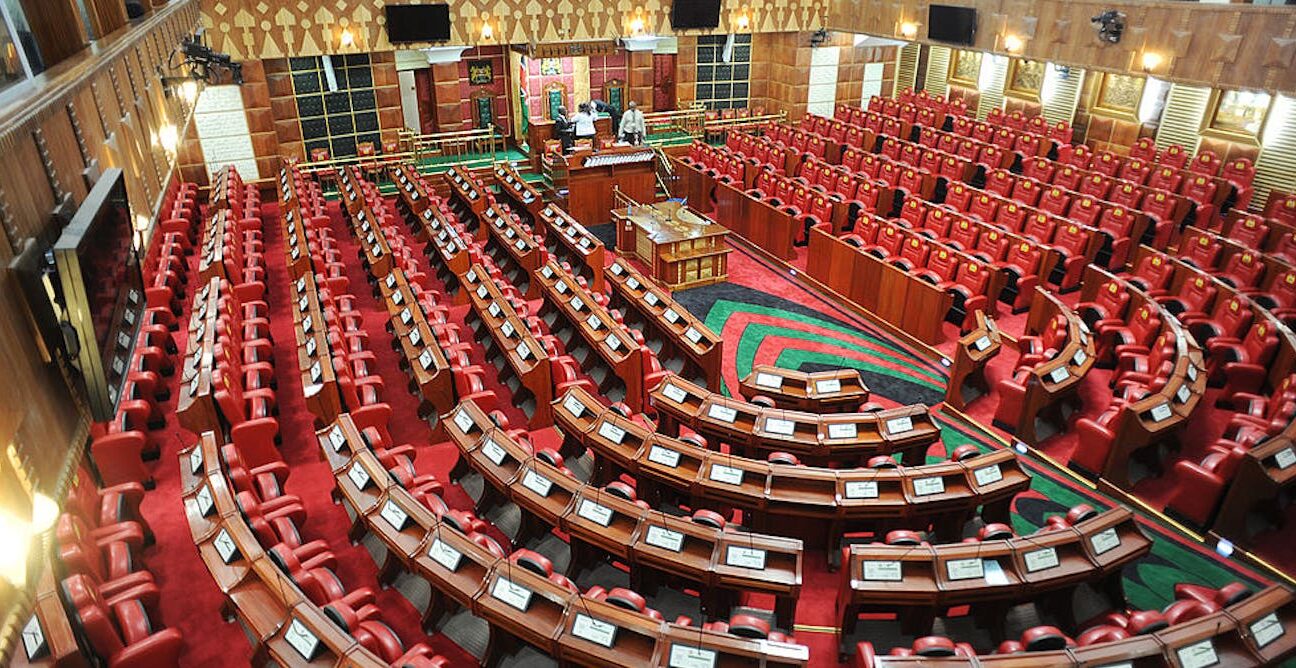
Members of the National Assembly have thrown their weight behind the Teachers Service Commission (Amendment) Bill, 2024, a proposed law that seeks to standardise teachers’ allowances and end prolonged, unremunerated acting appointments in public schools.
The Bill, sponsored by Mandera South MP Abdul Haro, proposes amendments to the Teachers Service Commission Act No. 20 of 2012 to formalise the payment of specific allowances and introduce structured guidelines governing acting appointments within the Commission.
If enacted, the changes would significantly alter how the Teachers Service Commission (TSC) manages remuneration structures and temporary leadership appointments, with potential implications for the education wage bill and overall school administration stability.
Formalising Allowances
Moving the Bill for Second Reading, Hon. Abdul Haro said the amendments are intended to entrench fairness, predictability and certainty in the management of allowances within the teaching profession.
The proposed law outlines a structured framework for allowances payable to teachers, including house, commuter, hardship, special duty, responsibility, special school, reader’s facilitation, leave and transfer allowances.
Mr Haro argued that the absence of clear statutory anchoring for certain allowances has created inconsistencies and uncertainty.
“We have teachers who act as deputy head teachers or principals for years without being confirmed or compensated. This Bill seeks to formalise and entrench fairness in acting appointments so that teachers serving in such capacities are duly recognised and remunerated,” he said.
Under the amendments, acting appointments would be limited to a period of between one and six months. Beyond that window, the Commission would be required to substantively fill the position, reducing the risk of indefinite temporary appointments.
Addressing Acting Appointment Concerns
Unremunerated acting appointments have been a longstanding grievance among teachers, particularly in public secondary and primary schools where deputies or senior teachers are frequently tasked with additional administrative responsibilities without formal confirmation.
Lawmakers said the proposed reforms would restore dignity and administrative authority to teachers placed in leadership roles on an acting basis.
Seconding the Bill, nominated MP Dorothy Ikara described the legislation as a safeguard against administrative injustices.
“Teachers have endured anxiety and frustration when serving in acting capacities for years without confirmation. This Bill introduces fairness and structure, ensuring no teacher is left in limbo. Acting teachers must be paid acting allowances, this should not be left to the discretion of the Commission,” she said.
Hon. Joshua Makilap (Baringo North) echoed similar sentiments, noting that prolonged acting roles without compensation undermine leadership effectiveness within schools.
“When a teacher is appointed to act but receives no allowance or recognition, it erodes their authority and morale. This Bill seeks to dignify the teaching profession by ensuring that acting administrators enjoy the privileges that come with their responsibilities,” Mr Makilap said.
Fiscal and Governance Implications
The proposed changes come at a time when Kenya’s public wage bill remains under scrutiny amid broader fiscal consolidation efforts. Teachers constitute one of the largest segments of the public workforce, and any statutory adjustments to allowances may have budgetary implications.
However, proponents argue that formalising allowances and limiting acting appointments could improve administrative efficiency and reduce disputes, potentially lowering litigation and grievance management costs in the long term.
The Bill also provides for mandatory consultation between the Teachers Service Commission and the Salaries and Remuneration Commission (SRC) on remuneration structures, a move lawmakers say will enhance transparency and ensure alignment with constitutional mandates.
Hon. Robert Basil said the proposed law would boost morale and stabilise school leadership.
“This Bill will enhance teacher morale, stabilise school leadership and improve education outcomes,” he said.
Constitutional Anchoring
Supporters of the Bill have framed it within constitutional provisions on labour rights and governance. Hon. Ikara noted that the amendments align with Article 41 of the Constitution, which guarantees fair labour practices, and Article 237, which establishes the Teachers Service Commission and outlines its mandate.
“Teachers are not asking for favours; they are asking for fairness. Supporting this Bill means supporting the very foundation of our education system and the future of our children,” she said.
By embedding allowance structures and acting appointment timelines into statute, Parliament would be strengthening oversight over the Commission’s administrative practices while reinforcing labour protections within the education sector.
Impact on Education Outcomes
Education policy analysts note that leadership stability in schools is closely linked to performance outcomes. Frequent turnover or prolonged uncertainty in acting leadership positions can disrupt planning, budgeting and instructional oversight.
A structured framework for acting appointments could therefore improve institutional continuity, particularly in rural and hardship areas where staffing gaps are more common.
At the same time, the financial implications of expanded or formalised allowances are likely to feature prominently in subsequent debate stages, especially in light of ongoing negotiations over public sector compensation frameworks.
Debate on the Teachers Service Commission (Amendment) Bill, 2024 is expected to continue next week, with lawmakers set to scrutinise its fiscal impact and administrative feasibility before advancing it to the next legislative stage.