


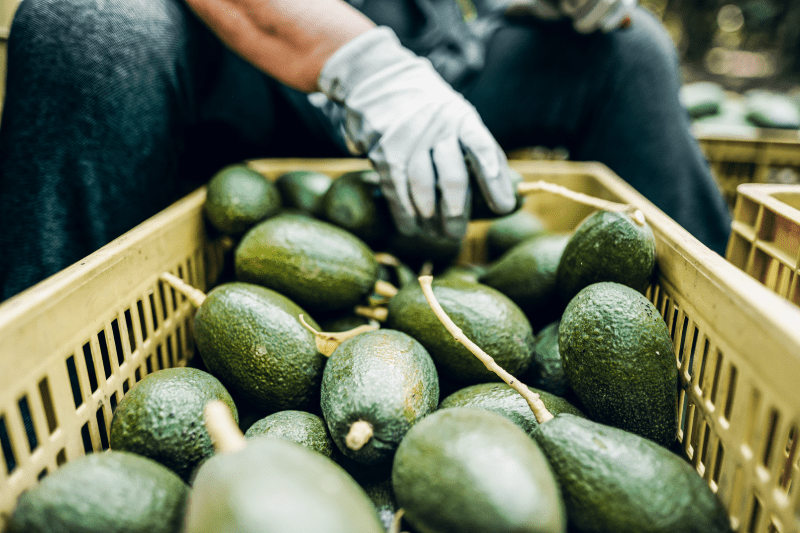
Integrated logistics provider Maersk Kenya has announced a series of operational and customer support initiatives designed to enhance the efficiency of avocado exports as the country prepares for its upcoming peak harvest season.
The measures, which include targeted exporter training, strategic positioning of refrigerated containers, and expanded shipping capacity on key trade routes, underscore the company’s focus on safeguarding cold chain reliability for one of Kenya’s fastest-growing horticultural exports.
Kenya has emerged as a major global supplier of avocados, with the fruit generating significant foreign exchange earnings while supporting thousands of jobs across farming, aggregation, packaging, logistics, and export services. As demand in European and other international markets continues to rise, exporters face mounting pressure to maintain quality standards and delivery timelines.
Against this backdrop, Maersk’s preparedness programme is aimed at ensuring uninterrupted logistics support during a period typically characterised by high shipment volumes and tight scheduling requirements.
Training-focused exporter engagement
A central pillar of the initiative is an expanded exporter engagement programme that combines in-person technical training with digital learning modules across avocado-growing regions.
Maersk teams have begun conducting specialised on-site sessions at packhouses, focusing on critical operational areas such as refrigerated container handling and end-to-end cold chain process management.
These sessions are designed to strengthen exporters’ ability to maintain temperature integrity from packing facilities through port handling and ocean transit, a key determinant of product quality and shelf life in overseas markets.
Complementing the physical sessions, the company has introduced online training and refresher courses covering customs procedures, documentation requirements, and shipping timelines.
The digital modules also provide updates on routing options and expected transit durations to key destinations, equipping exporters with planning information necessary to optimise shipment scheduling and manage buyer expectations.
Industry participants say such training initiatives are increasingly important as Kenya’s horticultural export sector becomes more sophisticated and compliance-driven, particularly in European markets where traceability and quality assurance requirements remain stringent.
Capacity planning for peak export volumes
In addition to customer engagement, Maersk has implemented operational measures aimed at ensuring sufficient logistics capacity during the peak export window.
The company is strategically positioning empty refrigerated containers in major export zones to guarantee availability at short notice, reducing the risk of shipment delays caused by equipment shortages.
Refrigerated containers, commonly referred to as reefers, are essential for transporting perishable cargo such as avocados, enabling exporters to maintain controlled temperature conditions throughout the logistics chain.
Maersk has also prioritised vessels serving the Kenya–Europe corridor and made additional container capacity available to accommodate anticipated volume growth.
Schedule reliability remains a focal point of the company’s service strategy, given the sensitivity of perishable exports to delays that can compromise product quality and commercial value.
Speaking on the initiative, Tito Okuku, Managing Director of Maersk East Africa, said the company’s approach extends beyond transport provision to broader exporter support.
“At Maersk, we recognise that our customers’ success is our success. The avocado season is a critical time for Kenyan exporters, and we are committed to providing not just transportation services, but comprehensive support that empowers our customers to meet the world’s growing demand for premium Kenyan avocados,” he said.
“Our customer-centric approach means being present, prepared, and proactive, and ensuring that every shipment receives the attention it deserves.”
Avocado exports as a strategic growth sector
Kenya’s avocado industry has expanded rapidly over the past decade, driven by rising global consumption, favourable climatic conditions, and increasing investment in commercial farming and export infrastructure.
The fruit has become one of Kenya’s leading horticultural exports alongside flowers, vegetables, and tea, contributing meaningfully to agricultural GDP and rural incomes.
Export growth has been supported by market diversification efforts, improved certification compliance, and expansion of smallholder participation through aggregation models.
However, sector growth has also heightened the importance of reliable logistics, particularly cold chain infrastructure, which plays a decisive role in determining competitiveness in distant markets.
Shipping delays, temperature excursions, or handling inefficiencies can lead to spoilage, rejection, or price discounts, making logistics partnerships a critical component of exporter success.
Logistics sector positioning in agricultural trade
Maersk’s investment in exporter support reflects broader competition among logistics providers to capture value within agricultural export supply chains.
Integrated logistics solutions that combine ocean freight, inland transport, warehousing, and digital visibility are increasingly viewed as differentiators in servicing time-sensitive cargo segments.
For Kenya, strengthening logistics capacity for horticulture exports aligns with national trade priorities focused on expanding agricultural export earnings and improving market access.
Cold chain improvements also have spillover effects across other perishable commodities, including fresh produce, meat, and pharmaceuticals, reinforcing the strategic importance of logistics infrastructure investment.
Sustainability and long-term outlook
Beyond immediate seasonal readiness, Maersk continues to pursue longer-term supply chain transformation initiatives, including decarbonisation and digitalisation.
The company has outlined ambitions to achieve net-zero emissions across its operations by 2040, supported by investments in alternative fuels, energy-efficient vessels, and supply chain optimisation technologies.
For agricultural exporters, evolving sustainability expectations among international buyers may increasingly intersect with logistics provider capabilities, particularly regarding emissions transparency and environmental performance.
As Kenya’s avocado industry continues to scale, partnerships between exporters, logistics providers, and regulatory agencies are expected to play a pivotal role in maintaining quality standards, supporting market access, and sustaining export growth momentum.
Maersk’s latest initiatives signal a proactive approach to supporting this trajectory, positioning logistics preparedness as a key enabler of Kenya’s competitiveness in the global avocado trade.