


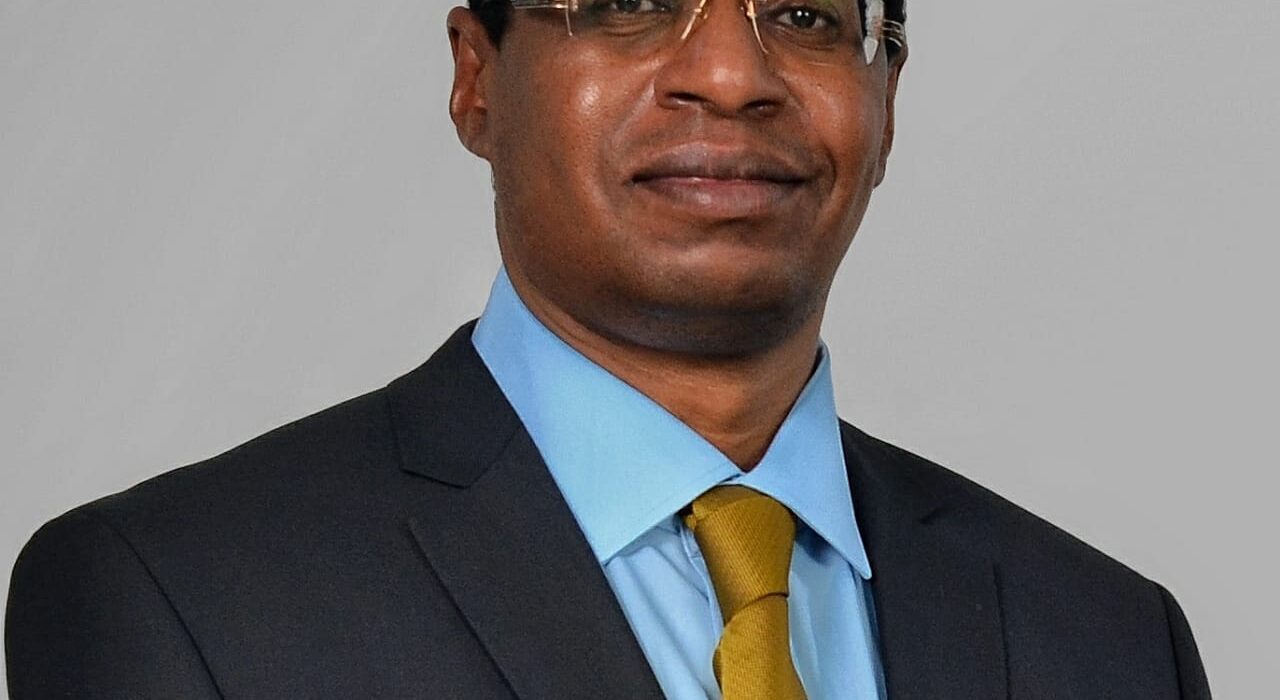
Kenyan law scholar and chartered arbitrator Professor Kariuki Muigua has been appointed as a member of the inaugural Court of Arbitration of the Asian International Arbitration Centre (AIAC), marking a significant milestone for Kenya’s presence in global alternative dispute resolution (ADR) institutions.
Prof Muigua joins a 25-member panel drawn from multiple jurisdictions across Asia, Europe, Africa, the Middle East and North America. The AIAC Court, headquartered in Malaysia, has been established to deliver neutral, independent and efficient world-class ADR services, with a focus on strengthening international commercial arbitration frameworks.
The appointment places Kenya within the governance structure of a major international arbitration centre at a time when cross-border commercial disputes are increasing across emerging markets, including Africa.
Strengthening Kenya’s ADR Footprint
Speaking after confirming his appointment, Prof Muigua described the role as both a personal honour and a recognition of Kenya’s growing ambitions in alternative dispute resolution.
“My appointment to the AIAC Court is an honour to the people of Kenya as it recognises our national alternative dispute resolution aspirations, which I cherish,” he said.
“As an AIAC Court Member, I will strive to further entrench and reinforce justice systems that promote economic advancement through international commercial arbitration principles,” he added.
Prof Muigua is widely known in Kenya’s legal and academic circles as a distinguished law scholar, environmental consultant and accredited mediator. His work has focused extensively on environmental law, governance, arbitration and sustainable development, areas that increasingly intersect with commercial and infrastructure disputes.
Kenya has in recent years positioned itself as a regional hub for arbitration and mediation, with Nairobi hosting a growing number of domestic and international dispute resolution proceedings. The inclusion of a Kenyan arbitrator in the governance structure of a leading Asian arbitration centre is likely to enhance professional linkages between African and Asian dispute resolution markets.
Institutional Milestone for AIAC
The formation of the AIAC Court follows the formalisation of the Second Supplementary Agreement to the Host Country Agreement signed on December 24, 2025, between the Government of Malaysia and the Asian-African Legal Consultative Organisation (AALCO).
The establishment of the Court is designed to reinforce the AIAC’s institutional credibility and governance framework, particularly as it implements updated legislative and regulatory instruments that came into force on January 1, 2026.
These include Malaysia’s Arbitration (Amendment) Act 2024, the Construction Industry Payment and Adjudication (Amendment) Act 2024, the Construction Industry Payment and Adjudication (Amendment) Regulations 2025, and the AIAC Suite of Rules 2026.
The Court will play an instrumental role in supervising arbitration proceedings, confirming arbitrator appointments, determining challenges and ensuring procedural integrity under the AIAC’s rules.
Global Composition of the Court
The inaugural AIAC Court is chaired by Dato’ Mary Lim Thiam Suan, Immediate Past Director of the AIAC and a retired Federal Court Judge of Malaysia.
Its membership reflects a diverse international composition, including representatives from Malaysia, Spain, the United States, Australia, Hong Kong SAR, the United Kingdom, Japan, India, France, Singapore, China, Russia, Saudi Arabia and the United Arab Emirates.
Legal analysts note that the broad geographic representation is intended to enhance the Centre’s appeal to parties engaged in cross-border disputes, particularly those involving Asia, Africa and the Middle East.
For Kenya, Prof Muigua’s appointment signals recognition of the country’s legal expertise within international arbitration circles and provides a platform for strengthening Africa–Asia legal cooperation.
Business and Investment Implications
International commercial arbitration plays a critical role in global trade and investment by providing a neutral mechanism for resolving disputes between private parties, multinational corporations and, in some cases, states.
For Kenya, which continues to court foreign direct investment in sectors such as infrastructure, energy, manufacturing and technology, a strong domestic and international arbitration ecosystem enhances investor confidence.
Dispute resolution efficiency is often a key consideration for multinational firms assessing investment destinations. Participation of Kenyan professionals in global arbitration institutions may contribute to knowledge transfer, exposure to best practices and institutional strengthening within the local legal sector.
As regional trade under frameworks such as the African Continental Free Trade Area expands, cross-border commercial disputes are expected to rise, further increasing demand for credible arbitration platforms.
Kenya’s Growing Arbitration Profile
Kenya has over the past decade intensified efforts to modernise its arbitration framework, with legal reforms and professional development initiatives aimed at aligning with international standards.
The appointment of Prof Muigua to the AIAC Court comes amid broader efforts to position Nairobi as a competitive arbitration seat within East Africa, competing with other regional centres.
Legal practitioners note that representation in international arbitral institutions enhances visibility for Kenyan arbitrators and may attract more cross-border cases involving African parties.
The AIAC’s mandate to deliver neutral and efficient ADR services aligns with global trends toward private dispute resolution mechanisms, particularly in commercial and construction sectors where technical expertise and procedural flexibility are valued.
Looking Ahead
The inauguration of the AIAC Court marks what the Centre described as a milestone in its institutional transformation. With its new governance structure and updated rules in force, the AIAC is expected to expand its global footprint.
For Kenya, Prof Muigua’s appointment underscores the country’s growing integration into international legal networks and highlights the strategic importance of arbitration in supporting trade, investment and economic development.
As global commerce becomes increasingly interconnected, participation in institutions shaping dispute resolution standards may prove consequential for jurisdictions seeking to strengthen their competitiveness and legal credibility.