


The Independent Electoral and Boundaries Commission (IEBC) is tasked with ensuring free, fair, and transparent elections in Kenya. To achieve this, it employs various officials, including Information Communication Technology (ICT) Clerks. These professionals play a vital role in supporting the technological aspects of the electoral process. This article explores their roles, qualifications, and the value they bring to Kenya’s democratic system.
Who Are IEBC ICT Clerks?
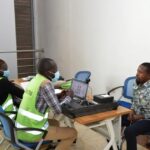
ICT Clerks are temporary staff hired by the IEBC to provide technical assistance during the election period. Their primary task is to ensure the smooth operation of election-related technologies, particularly the Kenya Integrated Election Management System (KIEMS) kits.
The role demands strong technical expertise, adaptability, and the ability to handle high-pressure situations, as the success of the election technology often depends on their efficiency.
Key Responsibilities of IEBC ICT Clerks
ICT Clerks are at the forefront of managing the technological aspects of elections. Their responsibilities include:
1. Providing Technical Support
- Deliver first-level ICT support to Returning Officers at tallying centres.
- Troubleshoot and resolve any technical issues promptly to minimize disruptions during the election process.
2. Preparing Election Technology
- Configure and test KIEMS kits before the election to ensure they are in perfect working condition.
- Maintain functionality and charge levels of the KIEMS kits throughout the election period.
- Perform data backups and restore data as needed.
3. Training Election Officials
- Assist in training Support Electoral Trainers, Presiding Officers, Deputy Presiding Officers, and Clerks on using the KIEMS kits and handling minor technical issues.
4. Monitoring and Reporting
- Keep detailed records of any technical issues and their resolutions.
- Submit comprehensive reports to the Returning Officer regarding the performance of the ICT systems.
5. Safeguarding Election Technology
- Ensure the security of all ICT equipment and data, preventing unauthorized access or tampering.
6. Additional Duties
- Provide any other technical assistance as directed by the Returning Officer.
Importance of ICT Clerks in the Electoral Process
The presence of ICT Clerks ensures that elections in Kenya are technologically efficient and credible. Their contributions include:
- Ensuring Seamless Voting: ICT Clerks ensure that voters can be identified accurately and results transmitted efficiently.
- Minimizing Downtime: By resolving technical issues swiftly, they reduce delays that could compromise the election timeline.
- Building Trust in Technology: Their expertise ensures that election technology operates reliably, fostering public confidence in the electoral process.
Qualifications Required for ICT Clerks
To qualify for the role of an ICT Clerk, candidates must meet the following requirements:
1. Educational Qualifications
- Hold at least a Diploma in ICT or an IT-related field.
- Additional certifications like MCSE (Microsoft Certified Systems Engineer) or CCNA (Cisco Certified Network Associate) are advantageous.
2. Professional Experience
- Possess at least 2 years of experience in ICT support, particularly in busy environments.
- Demonstrated ability to handle hardware, network, and software troubleshooting.
3. Personal Attributes
- Display high levels of integrity and neutrality.
- Have excellent communication and report-writing skills.
4. Residency and Availability
- Must be a resident of the constituency where they apply to work.
- Be fully available for the entire election period and not engaged in other remunerative activities.
Challenges Faced by ICT Clerks
ICT Clerks encounter several challenges in their line of duty, including:
- Technical Failures: Unexpected malfunctions in KIEMS kits can create stressful situations.
- Time Constraints: The short preparation period before elections can be demanding.
- Security Concerns: Safeguarding sensitive electoral data and equipment requires constant vigilance.
- Resource Limitations: Delays in the delivery of ICT equipment or inadequate resources can hinder their work.
How to Apply for an ICT Clerk Position
Becoming an ICT Clerk involves a few straightforward steps:
- Monitor Job Postings
- Regularly check the IEBC website and official social media platforms for job announcements.
- Prepare Your Application Documents
- Gather your academic certificates, professional certifications, national ID, and proof of residency.
- Submit Your Application
- Apply online or through other channels specified by the IEBC, ensuring all required documents are attached.
- Attend Interviews
- Shortlisted candidates will undergo interviews to assess their technical expertise and suitability.
- Undergo Training
- Successful applicants will receive training on election systems, including the operation of KIEMS kits.
Salary for IEBC ICT Clerks
ICT Clerks receive a daily wage of Ksh. 1,500, which is paid for the entire duration of their engagement. This compensation reflects the critical role they play in ensuring a smooth and credible electoral process.
Frequently Asked Questions
1. What is the primary role of an ICT Clerk during elections?
ICT Clerks ensure that KIEMS kits and other technological systems operate seamlessly during elections.
2. Are ICT Clerks required to work in their home constituencies?
Yes, applicants must be residents of the constituency where they intend to work.
3. Can students apply for the position?
As long as they meet the qualifications, including holding a Diploma in ICT, students can apply.
4. How long is the engagement period?
The duration covers pre-election preparations and the election period itself.
IEBC ICT Clerks are essential to the success of Kenya’s electoral process. Their technical expertise ensures that election technology operates effectively, fostering credibility and efficiency.
Aspiring ICT Clerks must meet strict qualifications and demonstrate high integrity. Through their dedication, they contribute significantly to strengthening Kenya’s democratic foundations.