


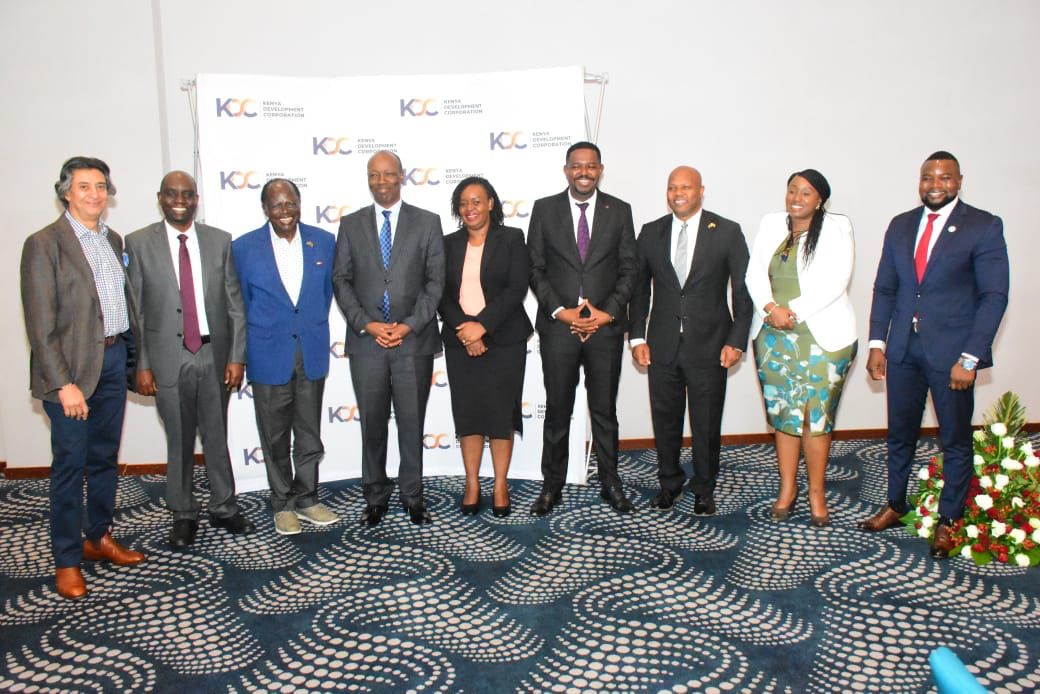
Kenya has taken a decisive step toward reducing its reliance on imported medicines and strengthening its industrial capacity by accelerating the shift to local pharmaceutical manufacturing. The Pharmaceutical Manufacturing Investors’ Breakfast in Nairobi brought together government leaders, investors, and industry experts to advance the shared goal of producing more essential medicines within the country.
Cabinet Secretary for Investments, Trade and Industry Lee Kinyanjui underscored the government’s commitment to creating a robust and competitive pharmaceutical manufacturing industry. He highlighted the role of local production in boosting economic growth and reducing the financial pressure associated with importing the majority of Kenya’s medical supplies. Kinyanjui said the government will ensure that locally manufactured products are prioritized in procurement and that regulatory and payment inefficiencies facing manufacturers are addressed.
More than 70 percent of medicines used in Kenya are sourced from outside the country. This dependency not only strains foreign currency reserves but also exposes the country to global price volatility and supply risks. Principal Secretary for Investment Promotion Abubakar Hassan emphasized that building domestic manufacturing capacity is a strategic economic move that will foster new industries and support job creation. Kenya is targeting to meet at least 60 percent of its local pharmaceutical needs through domestic production.
State Department for Medical Services Principal Secretary Dr. Ouma Oluga reiterated that removing barriers such as high importation costs, limited access to financing, and slow technology transfer will be key to unlocking sustainable growth in the industry. He noted that better aligned policies and public private partnerships will drive innovation and improve access to quality healthcare products across the country.
Financing remains one of the biggest challenges for pharmaceutical manufacturers due to long investment cycles. In response, the Kenya Development Corporation announced new plans to explore long term financing options and equity investments tailored to support innovative firms within the sector. Director General Norah Ratemo invited serious investors to submit proposals that would accelerate Kenya’s ability to produce medicines, vaccines, and medical technologies locally.
The Pharmaceutical Society of Kenya called for medicines to be treated as strategic national assets. President Dr. Wairimu Njuki said that enhancing manufacturing capacity will safeguard health security in the same way Kenya prioritizes food and energy security. The Society committed to strengthening education, regulation, research, and innovation to support the shift.
The state owned BioVax Institute reaffirmed Kenya’s commitment to continental goals, including producing 60 percent of Africa’s vaccines locally by 2040. CEO Dr. Wesley Rono said the institution is already building partnerships and capabilities to make Kenya a leading biotechnology hub in East Africa.
Stakeholders left the meeting aligned on a unified message. Kenya’s path to health security and manufacturing competitiveness depends on producing more pharmaceuticals locally. With government policies, industry collaboration, and targeted investment now moving in the same direction, the country is positioning itself to transition from a net importer to a regional powerhouse for medical manufacturing.