


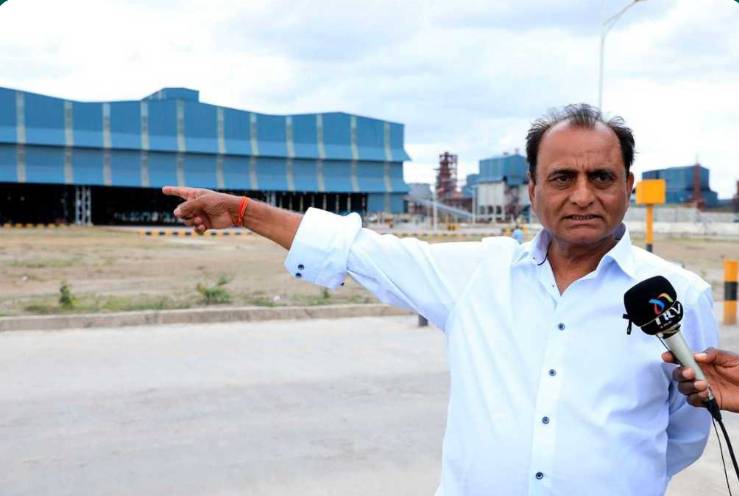
Devki Steel Mills is one of Kenya’s largest and most influential industrial companies. The owner and driving force behind the company is Narendra Raval, a self-made industrialist who transformed a small trading business into a leading steel and building materials conglomerate in East Africa.
Who is Narendra Raval?
Narendra Raval was born in India in 1962 and moved to Kenya in the early 1980s. He started his career working in modest jobs before venturing into business. In 1986, he and his wife began a small steel-trading and hardware business in Nairobi. Over the years, he expanded the business, eventually establishing Devki Steel Mills.
Raval is often described as a visionary entrepreneur who combined strategic investments, diversification, and operational efficiency to grow his business. Despite his wealth, he maintains a reputation for modest personal lifestyle and philanthropy.
Devki Steel Mills: Scale and Operations
Devki Steel Mills has grown to dominate Kenya’s steel market and is considered the largest multi-product steel manufacturer in the country. Key aspects of its operations include:
- Market dominance: The company produces a wide range of steel products including reinforcing bars, wire rods, tubes, and sheets. It supplies major construction projects and the local building sector.
- Multiple locations: Devki Steel Mills operates in Ruiru, Athi River, and Mombasa, supplying steel products across Kenya and East Africa.
- Diversified production: Beyond steel, Devki Group owns cement plants, roofing sheet factories, and other building material operations, creating a fully integrated industrial conglomerate.
- Recent expansion: The company is investing in a “virgin steel” plant in Kwale County, producing steel from raw materials locally rather than relying on recycled scrap. This expansion aims to reduce dependence on imports and boost domestic production.
Narendra Raval’s Wealth and Influence
Narendra Raval is recognized as one of Kenya’s most successful industrialists. His wealth primarily comes from ownership of Devki Steel Mills and associated businesses in cement, roofing, packaging, and other industrial sectors.
- He has built a business empire that employs thousands of workers and contributes significantly to Kenya’s manufacturing sector.
- His business strategy focuses on vertical integration, ensuring that Devki Group controls multiple stages of production — from raw materials to finished building products.
- Raval is also involved in philanthropic activities, supporting education, health, and community initiatives through charitable donations.
Strategic Moves and Business Expansion
Under Raval’s leadership, Devki Steel Mills has undertaken several strategic initiatives:
- Acquisitions: The Group has acquired struggling cement and roofing companies, consolidating them under Devki to strengthen market position.
- Diversification: Beyond steel, the company has ventured into energy, fertilizer, packaging, and other industrial sectors.
- Infrastructure investment: Major investments like the Kwale steel plant aim to increase local steel production and support national infrastructure projects.
- Employment creation: Expansion projects create thousands of jobs and provide training opportunities for skilled labor in industrial operations.
These moves reflect a long-term vision of industrial growth, self-sufficiency, and regional influence.
Importance to Kenya’s Economy
Devki Steel Mills and Narendra Raval have a major impact on Kenya’s economy:
- Industrial leadership: Devki provides critical building materials for housing, infrastructure, and commercial projects across the country.
- Import reduction: Local steel production reduces reliance on imported materials, saving foreign exchange and supporting local industry.
- Employment and skills development: Thousands of people are employed directly or indirectly through Devki operations, contributing to workforce development.
- Economic diversification: Investments in cement, energy, fertilizer, and packaging contribute to a diversified industrial base.
Raval’s vision aligns with national development priorities, making Devki Steel Mills a key player in Kenya’s industrial sector.
Challenges and Considerations
Despite its success, Devki Steel Mills faces challenges typical of large industrial firms:
- Market fluctuations: Demand for construction materials can vary, impacting revenue.
- Regulatory environment: Compliance with government regulations and competition laws is essential, and violations can result in fines.
- Operational risks: Large-scale industrial plants carry risks including equipment failure, safety concerns, and supply chain issues.
- Economic cycles: Slowdowns in construction or infrastructure development can affect sales and profitability.
Raval’s experience and diversification strategies help mitigate some of these risks, but they remain part of operating a large industrial conglomerate.
Narendra Raval’s journey from a small hardware trader to the owner of East Africa’s largest steel manufacturer is a remarkable story of entrepreneurship, vision, and persistence. Devki Steel Mills continues to play a pivotal role in Kenya’s construction and industrial landscape, supplying critical building materials, creating employment, and contributing to economic growth.
Devki Steel Mills represents not just a successful business but a blueprint for industrial expansion and local manufacturing in Kenya, driven by the vision and leadership of its billionaire owner, Narendra Raval.