


The Kenya Revenue Authority (KRA) has stepped up efforts to inculcate a culture of tax compliance among young people, citing data that shows Kenyans aged between 21 and 30 years now account for 42 percent of all registered taxpayers, a demographic the Authority views as critical to the country’s long-term revenue sustainability.
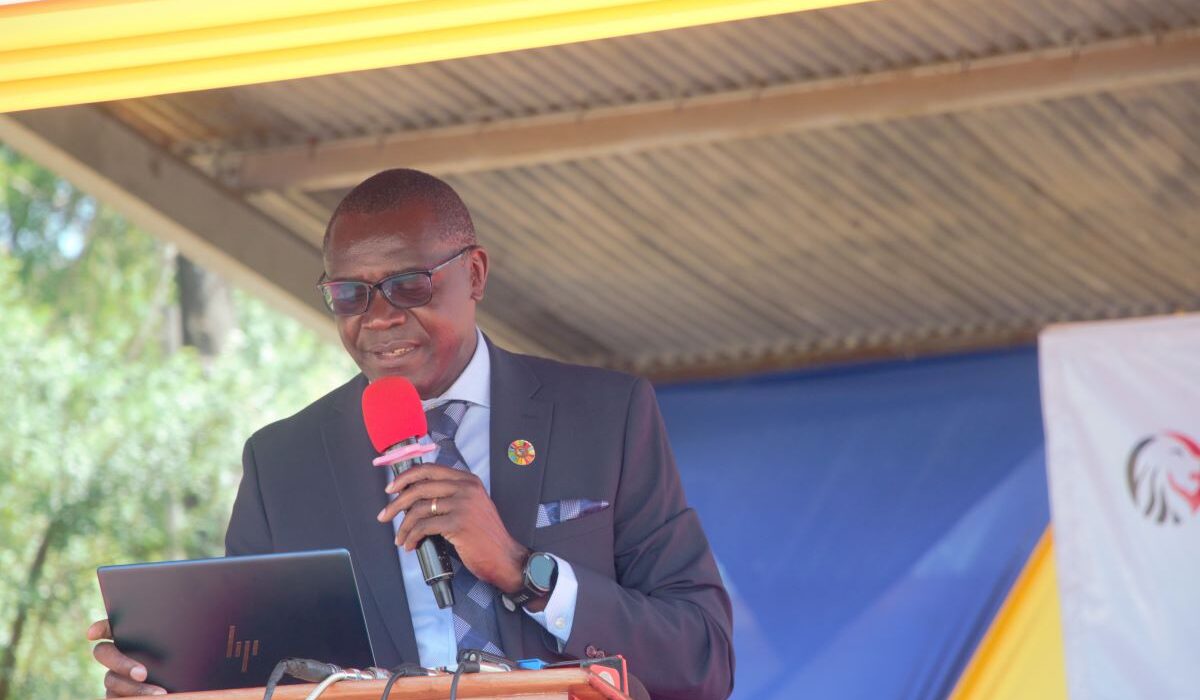
Speaking during a public lecture at the Kendu Adventist School of Medical Sciences (KASMS), KRA Commissioner in charge of the Micro and Small Taxpayers Department, CPA George Obell, said the Authority is deliberately engaging young people earlier in their professional journeys to ensure compliance is embedded from the start rather than enforced later through audits and penalties.
“Young people form the backbone of Kenya’s future workforce and enterprise economy. Bringing them into the tax system early, with the right information and support, is essential to building a fair, sustainable, and predictable revenue base,” Obell said.
The outreach forms part of KRA’s broader strategy to expand the tax base without increasing tax rates, at a time when the government is under pressure to finance public services, infrastructure, and social programmes amid constrained fiscal space.
According to Obell, KRA is expanding continuous tax education through partnerships with learning institutions, communities, professional bodies, and emerging work sectors such as the gig economy. The approach is designed to demystify taxation, particularly for first-time earners, entrepreneurs, and professionals transitioning into private practice.
The health sector has emerged as a key focus area in the Authority’s youth engagement strategy. Obell said KRA is developing specialised tax education programmes and dedicated support channels tailored for health students, early-career medical practitioners, and health entrepreneurs preparing to establish private clinics, laboratories, pharmacies, and consultancies.
“Our goal is simple, to ensure that no young professional is left behind or disadvantaged due to a lack of information,” Obell said. “Real progress and transformation require each of us to play our part. No contribution is too small, and no effort is insignificant when the goal is the common good.”
He emphasised that tax compliance is not merely a legal obligation but a critical pillar for sustaining public services, particularly in healthcare, education, and infrastructure development.
“Every modern society that seeks to provide quality healthcare, education, reliable infrastructure, and meaningful employment requires a predictable and sustainable source of financing,” Obell said. “Every tax-compliant clinic, chemist, laboratory, consultancy, or medical start-up contributes to a Kenya where mothers receive proper maternity care, children are vaccinated, emergencies are managed swiftly, and every citizen can access quality health services.”
The Commissioner disclosed that the health sector, which benefits from various tax exemptions and incentives aimed at improving access to care, contributed Sh43 billion in taxes during the 2024/2025 financial year. He said the contribution underscores the sector’s growing role in national revenue mobilisation despite its preferential treatment in certain areas.
KRA’s renewed focus on youth comes against the backdrop of changing employment patterns, with more young Kenyans earning income through informal businesses, digital platforms, professional services, and cross-border online work. These trends have expanded the pool of potential taxpayers while also presenting compliance challenges linked to limited awareness, record-keeping gaps, and misconceptions about taxation.
To address these gaps, Obell said KRA is investing in community-based tax ambassadors who will extend the Authority’s reach beyond formal offices and bring tax education closer to where people live and work.
“We are going to the ground,” he said. “We want trained people within the taxpayer system who can explain obligations, benefits, and filing requirements in a language people understand. This approach builds trust and reduces fear around taxation.”
The Authority is also exploring ways to institutionalise tax education earlier in the learning cycle. Obell revealed that KRA is in discussions with key education stakeholders to introduce tax education at the high school level, while strengthening engagement with colleges, universities, and technical training institutions.
The move reflects a shift from enforcement-led compliance to a preventive, education-driven model aimed at nurturing voluntary compliance from an early age. KRA believes that early exposure to tax concepts will help young Kenyans better understand the link between taxation and public services, reducing resistance and non-compliance later in life.
KRA data shows that while youth form a significant share of registered taxpayers, compliance levels vary widely depending on sector, income stability, and access to information. The Authority says targeted education and simplified digital tools are essential to closing this gap.
In recent years, KRA has rolled out several digital platforms, including mobile-based filing and payment channels, to make compliance easier for small and micro taxpayers. These tools are increasingly being tailored to the needs of young entrepreneurs, freelancers, and professionals operating outside traditional employment structures.
Obell urged young taxpayers to remain vigilant, seek accurate information, and comply fully with tax laws to avoid penalties and disruptions to their businesses and careers.
“KRA is here to support, guide, and partner with taxpayers, especially young people who are just starting out,” he said. “Compliance is not about punishment. It is about participation in nation-building.”
KRA encouraged taxpayers to access assistance through its call centre, social media platforms, USSD services, the Authority’s website, or by visiting the nearest KRA office.
As Kenya grapples with rising public expenditure demands and the need to broaden its revenue base, the Authority views youth engagement as a long-term investment in fiscal stability. By embedding tax compliance early, KRA aims to build a more inclusive, resilient, and sustainable tax system capable of supporting national development goals in the decades ahead.