


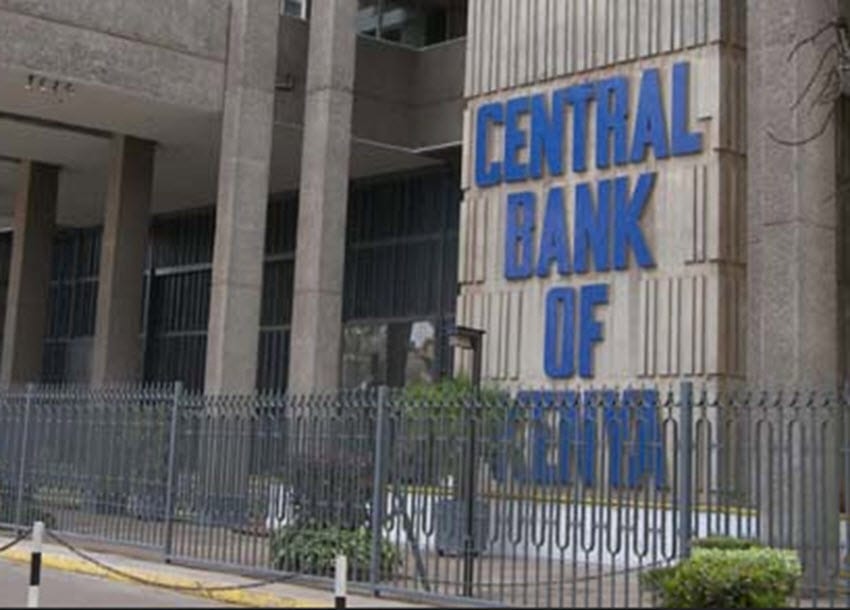
Kenya’s Treasury bills were undersubscribed for the first time in eleven weeks, reflecting a slowdown in investor demand as yields continue to ease and market participants reassess short-term returns in the fixed-income market.
Data from the latest auction shows the overall subscription rate fell to 67.3 percent, sharply lower than the 135.7 percent recorded in the previous week. The weaker turnout marked a clear shift from the sustained oversubscription trend that has characterised the Treasury bill market since early October, underpinned by ample liquidity and attractive yields.
The undersubscription was most pronounced in the shorter tenors, where demand cooled significantly, suggesting that investors may be growing cautious about locking in funds at lower rates amid expectations of further yield moderation.
91-Day Paper Sees Sharp Drop in Demand
The 91-day Treasury bill, traditionally the most popular instrument among investors seeking short-term liquidity, recorded a notable decline in demand.
The paper attracted bids worth Kshs 3.6 billion against an offer of Kshs 4.0 billion, translating to a subscription rate of 89.2 percent. This represented a steep fall from the 187.7 percent subscription rate recorded in the previous auction.
Market analysts noted that the decline reflects reduced enthusiasm for short-dated instruments as returns compress, particularly among investors who have benefited from elevated yields over the past year.
“The drop in demand for the 91-day paper suggests that investors are becoming more selective as yields continue to trend lower,” said a fixed-income analyst at a Nairobi-based investment firm. “Some are opting to stay liquid or redirect funds to alternative instruments with better risk-adjusted returns.”
182-Day Paper Remains Least Attractive
The 182-day Treasury bill remained the least subscribed tenor in the auction, continuing a trend seen over recent months.
Subscription for the six-month paper fell to 13.9 percent, down from 22.4 percent the previous week. The sharp underperformance indicates sustained investor preference either for very short-term placements or longer-dated instruments that offer relatively higher yields.
Analysts attribute the weak uptake to the paper’s positioning in the yield curve, where returns are often perceived as insufficient to compensate for the additional duration risk compared to the 91-day bill.
364-Day Paper Still Oversubscribed, but Demand Eases
Despite the overall undersubscription, the 364-day Treasury bill continued to attract strong interest, although demand moderated compared to the previous week.
The one-year paper recorded a subscription rate of 111.9 percent, down from 228.3 percent the previous auction. While still oversubscribed, the sharp decline points to a broader softening in investor appetite across all tenors.
The longer tenor has remained attractive to investors seeking to lock in relatively higher yields for a longer period, especially in an environment where interest rates are expected to stabilise or decline gradually.
Government Accepts Nearly All Bids
Despite the weaker demand, the government accepted almost all the bids received, underscoring its ongoing domestic borrowing needs.
The National Treasury accepted Kshs 16.14 billion out of Kshs 16.15 billion in bids received, translating to an acceptance rate of 99.96 percent. This high acceptance rate suggests that the government was willing to take up nearly all available funds despite the lower-than-target subscription.
The acceptance strategy aligns with the government’s broader fiscal objectives, which include meeting short-term financing needs while managing refinancing risks amid constrained access to external financing.
Yields Show Mixed Performance
Yields on Treasury bills posted mixed movements, reflecting the balance between easing inflation expectations, liquidity conditions, and government borrowing requirements.
The yield on the 182-day paper remained unchanged at 7.8 percent, holding steady from the previous auction. In contrast, yields on the 91-day and 364-day papers edged slightly lower.
The 91-day bill yield declined by 0.5 basis points to 7.77 percent from 7.78 percent, while the 364-day paper eased by 0.7 basis points to 9.23 percent from 9.24 percent recorded the previous week.
Although the movements were marginal, analysts say the downward drift reinforces expectations that short-term rates may continue to soften, particularly if inflation remains contained and liquidity stays ample in the banking system.
Liquidity and Policy Signals in Focus
The Treasury bill market has been buoyed in recent months by improved liquidity conditions, supported by maturing government securities and a more accommodative monetary environment.
However, the latest undersubscription signals that investors may be recalibrating expectations as yields approach levels last seen before the aggressive tightening cycle of 2023 and early 2024.
Market participants are closely watching signals from the Central Bank of Kenya (CBK), particularly its stance on liquidity management and the broader interest rate outlook, which will influence demand for short-term government securities.
“With yields edging lower, the risk-reward balance is shifting,” said a portfolio manager at a local asset management firm. “Some investors are reassessing whether Treasury bills still offer sufficient compensation, especially given alternative opportunities in longer-term bonds or the equity market.”
Implications for Government Borrowing
The first undersubscription in eleven weeks may also have implications for the government’s domestic borrowing strategy if the trend persists.
Sustained undersubscription could pressure the Treasury to either adjust offered volumes, accept lower funding amounts, or allow yields to rise marginally to attract demand. However, the near-full acceptance of bids this week suggests authorities remain confident in meeting funding targets through domestic markets.
For now, analysts view the result as a pause rather than a reversal of investor interest, noting that Treasury bills remain among the safest and most liquid instruments available in the Kenyan market.
“The market is normalising after a long period of heavy oversubscription,” said the analyst. “A single undersubscription does not necessarily signal stress, but it does highlight growing sensitivity to yield levels.”
Outlook
Looking ahead, investor appetite for Treasury bills is expected to remain sensitive to movements in yields, liquidity conditions, and policy signals from the CBK.
Should yields continue to decline, demand may remain subdued, particularly for shorter tenors. Conversely, any tightening of liquidity or upward pressure on rates could quickly restore oversubscription levels.
For now, the latest auction marks a notable shift in market sentiment, ending an eleven-week streak of oversubscription and offering fresh insight into evolving investor behaviour in Kenya’s money markets.