


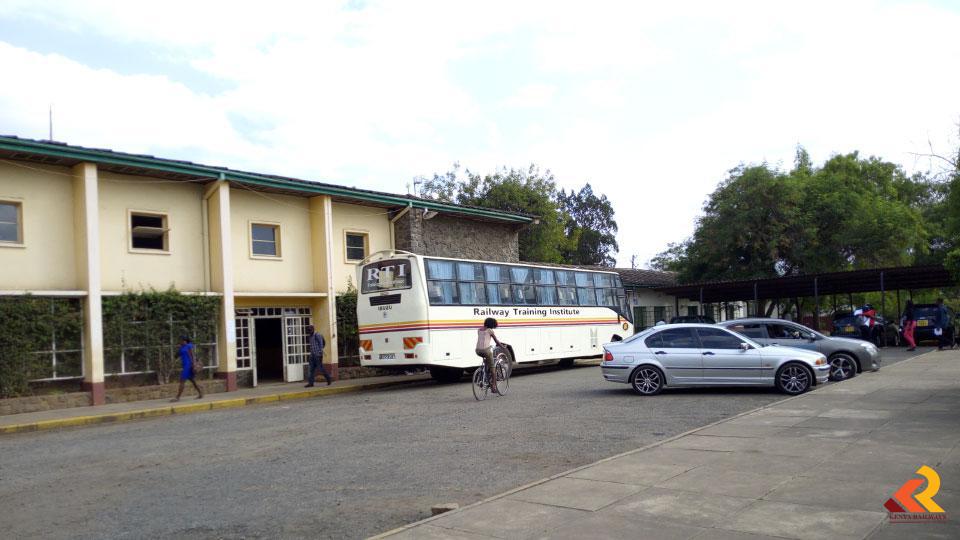
The Railway Training Institute (RTI) remains one of Kenya’s most established public technical institutions, offering a wide range of engineering, business, logistics, maritime, and railway professional courses. As the training arm historically linked to Kenya Railways, RTI plays a key role in preparing skilled manpower for transport, infrastructure, logistics, hospitality, and industrial sectors.
For the January 2026 intake, the institute has published a comprehensive list of certificate, diploma, CBET, KNEC, NITA, short courses, and specialized railway professional programmes across its Nairobi Main Campus in South B and the Kisumu Campus. This guide provides a complete breakdown of courses offered, entry requirements, duration, and fees, helping students and parents make informed decisions.
Overview of Railway Training Institute
RTI operates as a government-supported technical and vocational education and training institution. Its programmes are examined by recognized bodies including CDACC, KNEC, KASNEB, NITA, KMA, and internal railway professional certification systems.
Training is structured around practical skills development, industry relevance, and employability, with many courses incorporating internships and hands-on workshops.
Faculty of Engineering and Technology
Engineering remains the backbone of RTI’s training mandate. The institute offers certificate, diploma, and modular engineering courses aligned with national skills development needs.
Certificate and CBET Level 5 Engineering Courses (CDACC)
These programmes target KCSE graduates with a minimum grade of D plain and above, depending on specialization.
Courses offered include:
- Welding
- Electrical Engineering
- Building Technology
- Automotive Technology
- Plumbing
- Refrigeration and Air Conditioning
Duration: 2 years
Fees: KES 33,600 per term
These courses emphasize practical workshop training, preparing graduates for technical roles in construction, manufacturing, transport, and maintenance industries.
Diploma and CBET Level 6 Engineering Courses (CDACC)
These are advanced technical programmes designed for students with KCSE Grade C minus and above.
Courses include:
- Electrical Engineering
- Telecommunication Engineering
- Building Technology
- Civil Engineering
- Automotive Technology
- Mechanical Plant Technology
- Welding
- Refrigeration and Air Conditioning
- Mechanical Production Technology
Duration: 3 years
Term 1 Fee: KES 36,600
Graduates from these programmes qualify for technician and technologist roles across infrastructure, transport, energy, and manufacturing sectors.
KNEC Engineering Modular Courses
RTI also offers modular engineering programmes examined by KNEC, allowing flexible progression.
Certificate Module 2 Courses
- Electrical and Electronics Engineering (Power or Telecommunication option)
- Automotive Engineering
- Building Technology
Duration: 2 to 3 terms
Fees: KES 33,100 per term
Diploma Module 2 Courses
- Electrical and Electronics Engineering (Power, Telecommunication, Instrumentation)
- Building Technology
- Civil Engineering
- Automotive Engineering
- Mechanical Engineering (Plant or Production option)
- Welding and Fabrication
- Architecture
Duration: 2 to 3 terms
Fees: KES 36,100 per term
Diploma Module 3 Courses
- Electrical and Electronics Engineering
- Building Technology
- Civil Engineering
- Architecture
- Automotive Engineering
- Mechanical Engineering
- Welding and Fabrication
Duration: 2 to 3 terms
Fees: KES 36,100 per term
These modular courses are ideal for students upgrading qualifications or transitioning from craft to diploma level.
Faculty of Business and Logistics (Main Campus)
RTI offers an extensive range of business, hospitality, ICT, logistics, and management courses.
Certificate and CBET Level 3 and 4 Business Courses (CDACC)
These programmes are open-entry or require KCSE Grade D plain and above.
Courses include:
- Front Office Operations
- Mixology Level 3
- Bartending Level 4
- Store Keeping Level 4
- Cyber Security and Graphic Design Level 4
Duration: 2 terms
Fees:
- KES 33,800 for hospitality courses
- KES 31,600 for store keeping and ICT-related courses
Certificate and CBET Level 5 Business Courses (CDACC)
These courses prepare students for mid-level roles in business, ICT, logistics, and administration.
Courses include:
- Food and Beverage Operations
- Tour and Travel Operations
- Information and Communication Technology
- Clearing and Forwarding
- Freight Management
- Library and Information Studies
- Procurement Management (Full time and Evening)
- Road Transport Management (Full time and Evening)
- Business Management
- Human Resource Management
- Social Work
- Accounting and Management Skills (KASNEB)
- Certified Information Systems Solutions Expert (KASNEB)
Duration: 2 years
Fees:
- KES 33,800 for hospitality-related courses
- KES 31,600 for most business and ICT programmes
Diploma and CBET Level 6 Business Courses (CDACC)
These programmes require KCSE Grade C minus and above.
Courses include:
- Food and Beverage Management
- Freight Management
- Tour and Travel Management
- Information and Communication Technology
- Computer Science
- Library and Information Studies
- Procurement Management
- Clearing and Forwarding
- Road Transport Management
- Project Management
- Business Management
- Human Resource Management
- Social Work
Duration: 3 years
Fees:
- KES 38,000 for Food and Beverage Management
- KES 32,600 for other diploma programmes
KASNEB Diploma Programmes
- Accounting Technician Diploma
- Diploma in Data Management and Analytics
- Diploma in Computer Networks and Systems Administration
Duration: 2 years
Fees: KES 32,600 per term
Faculty of Business and Logistics (KNEC Programmes)
RTI offers KNEC-certified business courses through modular progression.
Certificate Module 2
Courses include:
- Food and Beverage Production, Service and Sales Management
- Tour Guiding and Travel Operations
- Information Studies
- Supply Chain Management
- Road Transport Management
- Project Management
- Business Management
- Human Resource Management
- Social Work
- Information Communication Technology
Duration: 2 terms
Fees:
- KES 33,300 for hospitality courses
- KES 26,600 to 28,600 for other programmes
Diploma Module 2
Courses include:
- Food and Beverage Production, Service and Sales Management
- Tourism Management
- Information Communication Technology
- Information Science
- Supply Chain Management
- Road Transport Management
- Project Management
- Business Management
- Human Resource Management
- Cooperative Management
- Social Work and Community Development
Duration: 2 terms
Fees: KES 30,600 to 36,000
Diploma Module 3
Courses include:
- Food and Beverage Production, Service and Sales Management
- Tourism Management
- Information Communication Technology
- Information Science
- Supply Chain Management
- Road Transport Management
- Project Management
- Maritime Transport Logistics
- Business Management
- Human Resource Management
- Cooperative Management
- Social Work and Community Development
Duration: 2 terms
Fees: KES 35,500
Railway Professional Courses
These are specialized courses designed for railway operations and safety-critical roles.
Locomotive Driving
- For diploma holders in Mechanical, Electrical, or Mechatronics Engineering
Duration: 1 year
Fees: KES 212,000 - For KCSE graduates (Grade C minus with Physics or Chemistry)
Duration: 3 years
Fees: KES 212,700 - Shortened professional intake
Duration: 9 months
Fees: KES 112,000
Locomotive and Rolling Stock Maintenance
These courses require craft certificates in relevant engineering disciplines.
- Locomotive Maintenance
- Rolling Stock Maintenance
All applicants must present a certificate of good conduct.
Training includes six months of internship and regular weekday classes.
RTI Kisumu Campus Courses
CBET Level 5 Business Courses (CDACC)
- Maritime Transport Logistics
- Information Communication Technology
- Cyber Security and Graphic Design
Minimum Grade: KCSE D and above
Duration: 3 terms
Fees: KES 31,600
CBET Level 6 Business Courses (CDACC)
- Maritime Transport Logistics
Minimum Grade: KCSE C
Duration: 3 terms
Fees: KES 32,600
Maritime and Technical Short Courses
- Coxswain Level 3
Duration: 6 weeks
Fees: KES 60,000 - STCW
Duration: 10 days
Fees: KES 35,000 - Electrical Fitter Installation (Wireman Grade 3)
- Gas and Arc Welding Grade 3
Duration: 2 terms
Fees: KES 33,100
NITA Examined Courses
- Electrical Installation Grades 3, 2 and 1
- Motor Vehicle Mechanics Grade 3
- Motor Vehicle Electricals Grade 3
- Refrigeration and Air Conditioning Grade 3
- Spray Painting and Panel Beating Grade 3
Duration: 2 terms
Fees: KES 33,600
Short Courses
Engineering Short Courses
- Mobile Phone Repair
- Radio and TV Repair
Duration: 1 month
Fees: KES 12,000
- Advanced AutoCAD
- Advanced ArchiCAD
Duration: 2 weeks
Fees: KES 8,000
Business and Hospitality Short Courses
- Computer Packages
- Web Design
- SPSS
- Computer Repair and Maintenance
- Digital Marketing and Commerce
- Records and Archives Management
Duration: 2 weeks
Fees: KES 8,000
- Bakery
- Pastry Making
- Event Planning
- Housekeeping and Laundry
Duration: 1 month
Fees: KES 14,000
Accommodation and Application Details
Accommodation is optional:
- KES 30,000 per term with meals
- KES 12,000 per term without meals
A non-refundable application fee of KES 1,000 applies.
Applicants must submit academic certificates, national ID, birth certificate, certificate of good conduct, email address, and phone number.
The Railway Training Institute remains a strategic institution for skills development in engineering, transport, logistics, business, hospitality, and railway operations. With flexible modular pathways, affordable fees, and industry-aligned training, RTI offers strong value for students seeking practical, employable qualifications in 2026.