


A parliamentary committee has raised concerns over inadequate budget allocations for critical infrastructure required to support Kenya’s planned first commercial oil production in Turkana County by the end of 2026.
Members of the National Assembly have raised fresh concerns over Kenya’s preparedness to deliver its long-awaited first commercial oil production following the review of budget allocations for key petroleum sector programmes.
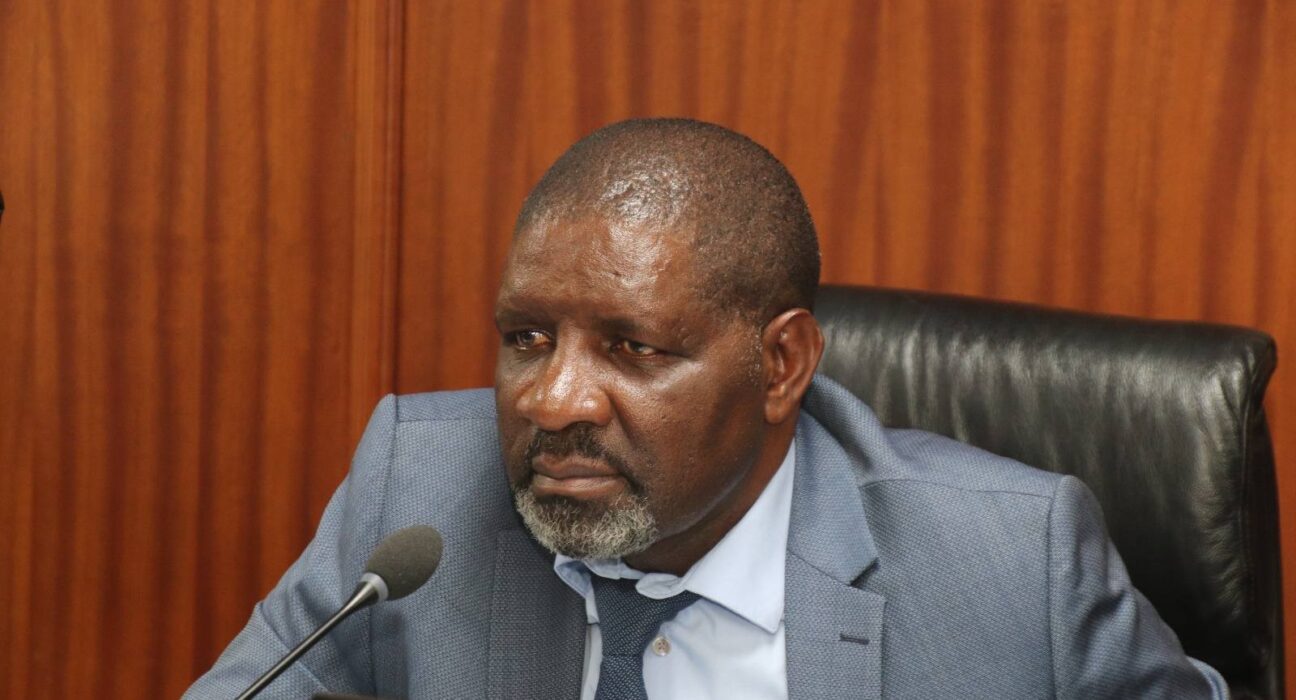
The National Assembly Departmental Committee on Energy, chaired by Nakuru East MP David Gikaria, concluded its review of the 2026 Budget Policy Statement covering the State Department for Energy and the State Department for Petroleum, highlighting funding gaps for critical enabling infrastructure linked to the Turkana oil development.
Lawmakers warned that the absence of clearly defined allocations for essential support projects could undermine the government’s target to commence commercial oil extraction before the end of 2026.
Strategic project under scrutiny
The Turkana oil project has long been positioned as one of Kenya’s most significant extractive sector investments, expected to transform the country into an oil-producing nation and unlock new export revenue streams.
During the committee session at Parliament Buildings, MPs emphasised that while policy commitments remain strong, successful delivery will depend heavily on timely development of supporting infrastructure within the oil fields.
Hon. Gikaria described the project as a strategic national investment requiring coordinated financial planning and execution across multiple government agencies.
“The ministry has a duty to ensure there are sufficient resources to fast-track the implementation of key enabling facilities within the oil fields for the project to succeed,” he told the committee.
Security infrastructure emerges as priority
Among the issues highlighted was the need for enhanced security arrangements around oil blocks in Turkana County.
Plans for the construction of a dedicated police station in the region were cited as a critical intervention to protect drilling equipment, personnel, and produced crude, particularly given the remote nature of the oil fields and the high value of assets involved.
Committee members noted that without adequate security infrastructure, operators could face elevated operational risks, including disruptions to field activities and increased project costs.
Security readiness has previously been identified as a key determinant of investor confidence in frontier extractive projects, particularly those located in remote regions with limited existing infrastructure.
Water supply requirements raise funding concerns
Another major gap identified by legislators relates to water infrastructure required for drilling operations.
The committee underscored the importance of a proposed water pipeline from Turkwel Dam to the Turkana oil fields, noting that water plays a central role in drilling processes and associated industrial activities.
Beyond operational needs, MPs observed that the pipeline could deliver broader socio-economic benefits by providing water access for surrounding communities, supporting domestic use, irrigation, and livestock production in a region characterised by chronic water scarcity.
However, committee members indicated that the Budget Policy Statement did not clearly outline funding provisions for the pipeline project, raising questions about implementation timelines.
Additional infrastructure requirements
The parliamentary review also pointed to the need for complementary infrastructure investments including access roads, electricity connectivity, and operational support facilities necessary for sustained field operations.
Transport connectivity remains particularly important for movement of equipment and personnel, while reliable electricity supply is expected to support processing facilities and ancillary operations within the oil development area.
Lawmakers cautioned that delays in delivering these enablers could create bottlenecks that ultimately affect production timelines and project economics.
Broader economic implications
Kenya’s entry into commercial oil production has been widely viewed as a potential milestone with macroeconomic implications, particularly in relation to export diversification and foreign exchange generation.
If achieved, crude oil exports could contribute to strengthening the country’s external balances and supporting currency stability, while also expanding fiscal revenue through royalties, taxes, and associated economic activity.
At the same time, analysts note that the long-term impact will depend on global oil price dynamics, production costs, infrastructure efficiency, and governance frameworks surrounding revenue management.
Coordination challenges remain
The committee’s observations reflect broader coordination challenges inherent in large-scale resource development projects, where success depends on synchronized investment across multiple sectors including energy, security, water, and transport.
Budget alignment across government departments has emerged as a central issue, with MPs urging closer inter-agency collaboration to ensure infrastructure development keeps pace with upstream project milestones.
The review of the Budget Policy Statement forms part of Parliament’s oversight role in shaping fiscal priorities ahead of the annual budget process, providing an opportunity for legislators to flag gaps and propose adjustments.
Outlook for the project
With the government maintaining its target of first commercial oil by December 2026, the committee’s findings are expected to inform ongoing budget deliberations and potential reallocations.
Stakeholders within the energy sector will be closely watching whether additional funding provisions are introduced in subsequent budget estimates to address the identified gaps and accelerate infrastructure development.
For Turkana County, the project remains a focal point for economic transformation prospects, while at the national level it represents a test case for Kenya’s ability to execute complex extractive sector investments.