


Local oil exploration and production firm Gulf Energy has secured a high-capacity onshore drilling rig from the Middle East in a strategic move aimed at accelerating Kenya’s long-awaited commercial oil production from the South Lokichar Basin in Turkana County.
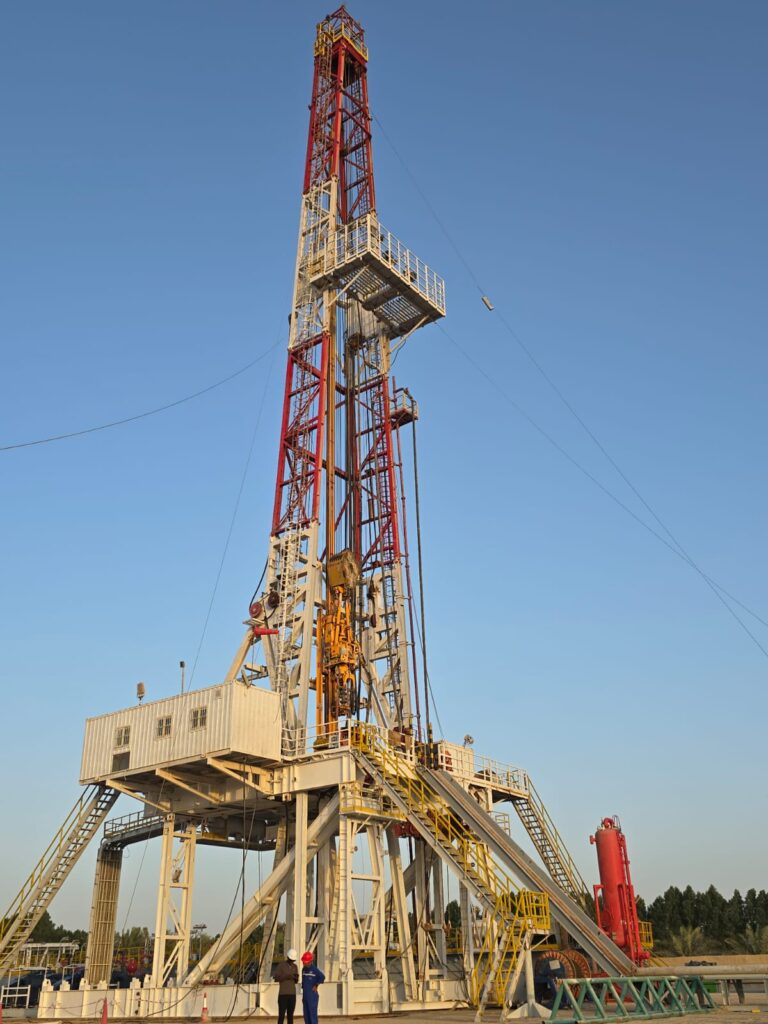
The company confirmed that it has contracted the GW70 onshore drilling rig, valued at more than US$15 million, from Great Wall Drilling Company, a subsidiary of China National Petroleum Corporation, under a long-term lease and operations arrangement. The rig is currently stationed in Abu Dhabi and is expected to be shipped to Kenya through the Port of Mombasa before the end of March.
The acquisition signals a significant operational milestone for the South Lokichar Basin oil development project, one of Kenya’s most ambitious upstream energy investments. The project is projected to unlock billions of dollars in export revenues and position Kenya as a regional oil producer.
Rig deployment timeline
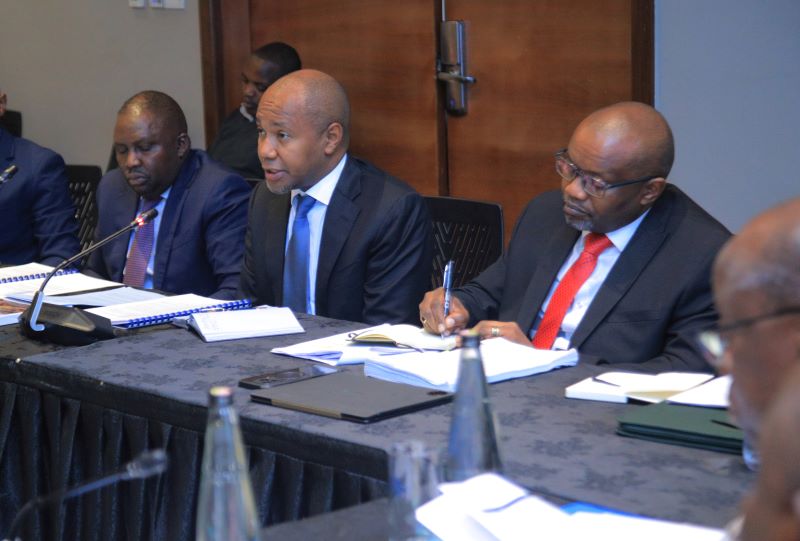
Gulf Energy Chairman Francis Njogu said the company had entered into a performance-based contract with the drilling contractor covering delivery, commissioning and operation of the rig, alongside a structured skills transfer programme aimed at building local technical capacity.
“The GW70 rig represents a critical step forward in our preparations for first oil. Securing modern drilling infrastructure at a time of tight global equipment supply demonstrates our commitment to keeping the project timeline intact,” Njogu said.
The GW70 rig, a 1,500-horsepower unit previously deployed on projects for Abu Dhabi National Oil Company, is expected to arrive in Kenya around June. Following mobilisation, the rig will undergo commissioning, acceptance testing and safety checks before drilling operations commence in early July.
Company officials indicated that preparatory works and capital allocation for the rig have already been undertaken, even as the firm awaits parliamentary ratification of its Field Development Plan (FDP) — a regulatory requirement for full project rollout.
Government and county oversight
The rig procurement process has drawn close oversight from national and county authorities, reflecting the strategic importance of the South Lokichar Basin project to Kenya’s energy and fiscal outlook.
A technical delegation comprising officials from the State Department for Petroleum, the Energy and Petroleum Regulatory Authority, and the Turkana County Government recently conducted an inspection and familiarisation tour of the rig in the Al Dhafra region of Abu Dhabi.
The delegation was led by Turkana County Secretary Richard Ekai, accompanied by county technical experts and climate change officials. According to a communique issued after the visit, the inspection was aimed at verifying the rig’s operational readiness, safety systems, and environmental compliance ahead of deployment to Turkana.
Officials described the visit as a key quality assurance step, noting that the technical team evaluated mechanical systems, safety controls and operational procedures while issuing recommendations to optimise readiness for field operations.
“This inspection forms a crucial part of the quality assurance, performance evaluation and safety verification process ahead of deployment,” the delegation said in a joint statement, adding that the engagement also assessed the contractor’s environmental standards and commitment to local skills development.
Strategic investment ahead of US$6 billion project
The rig acquisition comes as Gulf Energy positions itself to lead the development of the South Lokichar Basin following previous project delays linked to financing, infrastructure constraints and shifting operator arrangements.
Industry estimates place the overall investment required to bring the basin to commercial production at about US$6 billion, covering upstream development, pipeline infrastructure, storage facilities and export logistics.
By moving to secure drilling equipment ahead of final approvals, Gulf Energy is signalling confidence in the project’s progression and seeking to minimise mobilisation delays that have historically affected oil developments in frontier markets.
Njogu said that securing a modern rig at a time of high global demand required early financial commitment and logistical planning, noting that long lead times for specialised equipment could otherwise disrupt drilling schedules.
“At Gulf Energy, it is all systems go in the journey to deliver first oil by December 1 this year. The delegation in Abu Dhabi witnessed firsthand the advanced state of the GW70 rig, which we recently secured,” he said.
Economic and fiscal implications
Kenya’s commercial oil ambitions have been anchored on the South Lokichar Basin discoveries, which are expected to generate substantial fiscal revenues, foreign exchange earnings and employment opportunities once production begins.
Government projections indicate that the project could yield between US$1.05 billion and US$2.9 billion in cumulative revenues over its life cycle, depending on global oil price dynamics. This translates to approximately KSh136 billion to KSh371 billion, positioning the project as a potentially transformative contributor to public finances.
Beyond direct revenues, policymakers view the project as a catalyst for regional infrastructure development, including roads, water systems, electricity connectivity and security installations within the oil-producing areas.
For Turkana County, the project also carries significant socio-economic expectations, including local employment, community development initiatives and enhanced service delivery supported by petroleum revenue sharing frameworks.
Sector outlook
The latest development occurs against a backdrop of renewed government focus on monetising natural resource assets to support economic growth, diversify export earnings and strengthen foreign exchange reserves.
Energy sector analysts note that successful deployment of drilling infrastructure and commencement of production would represent a critical turning point for Kenya’s upstream petroleum industry, which has faced prolonged uncertainty since initial discoveries more than a decade ago.
The coming months are expected to be decisive as regulatory approvals, infrastructure readiness and operational execution converge ahead of the targeted first oil milestone.
With drilling equipment secured, Gulf Energy’s next key milestones will include FDP ratification, mobilisation of supporting infrastructure and final operational preparations in the South Lokichar Basin.