


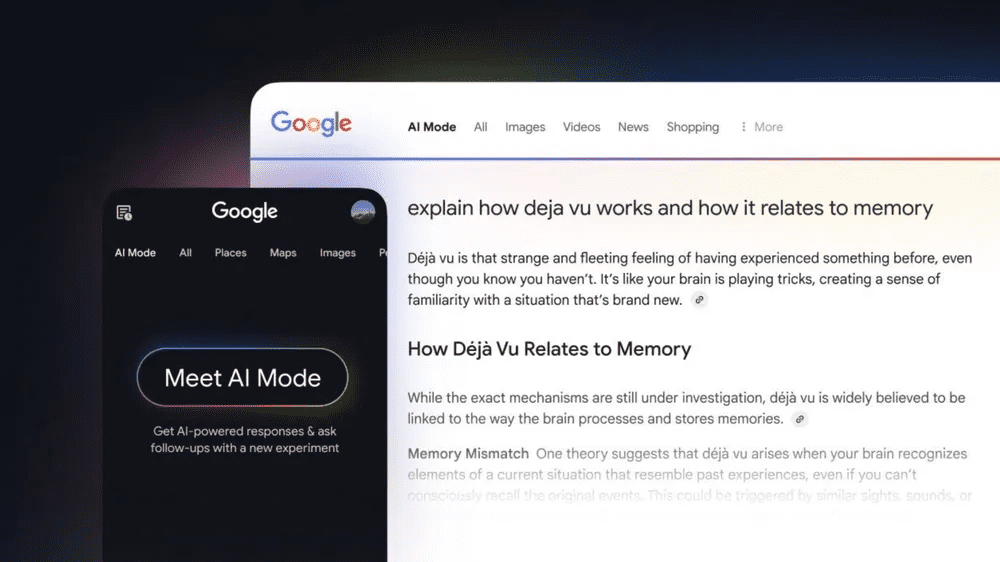
Google has expanded its AI-powered search features to support 13 African languages, including Kiswahili and Somali, a move expected to improve access to artificial intelligence tools for millions of users across the continent, particularly in Kenya.
Technology giant Google has expanded its artificial intelligence-powered search tools to support 13 African languages, marking a significant step toward making AI technologies more accessible to users across the continent.
The update extends the reach of the company’s AI Overviews and AI Mode search features beyond English, allowing users to interact with Google’s AI systems in widely spoken African languages such as Kiswahili and Somali.
For Kenya, where Kiswahili is both a national and regional language, the expansion is expected to broaden access to AI-powered information tools for students, entrepreneurs, educators and everyday internet users.
AI Search Tools Now Available In Local Languages
The newly supported languages include Kiswahili, Somali, Afrikaans, Akan, Amharic, Hausa, Kinyarwanda, Afaan Oromoo, Sesotho, Setswana, Wolof, Yorùbá and isiZulu.
According to Google, the languages were selected based on strong and growing search usage across Africa, with the initial rollout targeting communities in countries such as Kenya, Nigeria, Ethiopia and Tanzania.
Through the AI Overviews feature, users receive concise AI-generated summaries at the top of their search results. These summaries provide quick answers to questions while also linking to reliable sources that allow users to explore topics in greater depth.
Meanwhile, AI Mode expands the experience by enabling users to ask questions and interact with search results through text, voice or images. The tool can generate more detailed responses and personalised explanations in the user’s preferred language.
For many African users, this capability could significantly reduce language barriers that have historically limited access to digital information.
Supporting Education And Innovation
Google says the expansion will help users across the continent move from simply hearing about artificial intelligence to actively applying it in everyday tasks.
In Kenya, where digital adoption continues to grow rapidly, local-language AI tools could support learning, business innovation and community problem solving.
Students may use the tools to better understand complex topics, teachers could access teaching resources more easily, while entrepreneurs may use AI search tools to gather insights and explore new business ideas.
By enabling interactions in local languages, the company aims to make AI technology more inclusive and relevant to communities across Africa.
Powered By Google’s Waxal Language Project
The new capabilities are supported by Google’s ongoing language research initiative known as the Waxal project.
The project combines machine learning, linguistic research and community collaboration to improve how artificial intelligence systems understand and generate African languages.
The name “Waxal” comes from the Wolof language and means “to speak”, reflecting the project’s goal of enabling more natural and inclusive digital communication.
Through this initiative, Google has been working with researchers and language experts to build AI systems that better reflect Africa’s linguistic diversity while maintaining high standards of accuracy and reliability.
The company says expanding AI Overviews and AI Mode to additional African languages represents the next stage of this long-term effort.
How Kenyans Can Use AI Mode In Kiswahili And Somali
Users in Kenya can access the feature through the Google app or a mobile browser.
To start using AI Mode in Kiswahili or Somali, users can follow these steps:
- Open the Google app on an Android or iOS device, or access Google Search through a mobile browser.
- Tap on AI Mode within the Search interface.
- Type or speak a question in a preferred language such as Kiswahili or Somali.
Once activated, the AI system generates responses and summaries based on the user’s query, helping them explore topics, learn new information or solve practical problems.
Building Inclusive AI For Africa
The expansion of AI search tools into African languages reflects growing interest among global technology companies in supporting digital transformation across the continent.
With Africa’s internet user base expanding rapidly and mobile devices serving as the primary gateway to the internet for many people, enabling AI interactions in local languages is becoming increasingly important.
Google says the latest update is part of a broader strategy to ensure AI technologies are both technically advanced and culturally relevant for users around the world.
By incorporating African languages into its AI ecosystem, the company hopes to make digital knowledge tools more accessible and empower users to participate more fully in the global digital economy.
Google has also encouraged users across Africa to try the new features, provide feedback and help improve how AI systems understand and respond to their languages.