


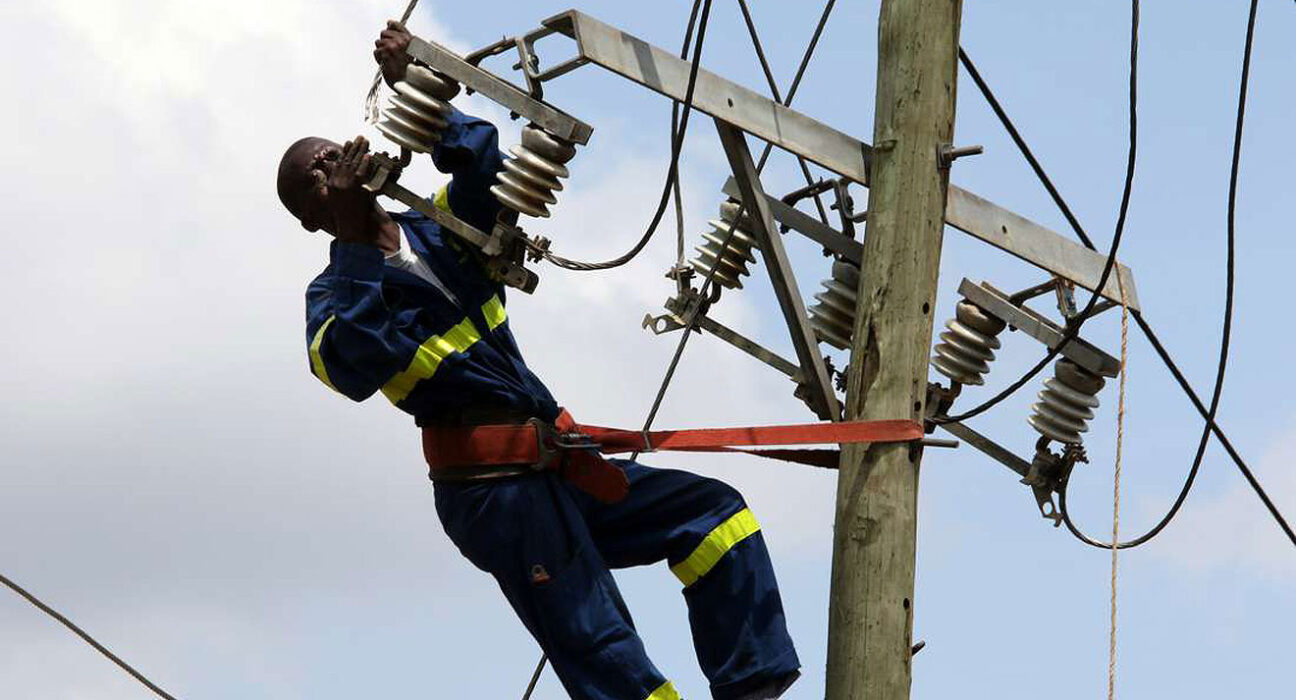
Heavy rains in Nairobi have flooded a key electricity substation in South C, disrupting power supply to several residential and commercial areas as engineers from Kenya Power work to assess damage and restore service.
Electricity supply to several neighbourhoods in Nairobi was disrupted on Saturday after flooding damaged a major power facility serving the southern parts of the city, according to Kenya Power.
The utility said the flooding occurred at its South C Substation after heavy rains on Friday night caused part of the facility’s boundary wall to collapse, allowing water to inundate critical infrastructure.
The incident affected electricity supply to several areas including South B, South C, Nairobi West, Madaraka Estate, Strathmore, Dam Estate, Langata, Wilson Airport, Carnivore, Kenyatta Market, Ngumo Estate, Industrial Area and Uhuru Gardens.
Kenya Power engineers were dispatched to the site early Saturday morning to assess damage to electrical equipment and begin repair work. The company said the restoration process involves safety checks, testing of damaged components and possible reconfiguration of supply routes.
“Our engineers are already on site assessing the damage and carrying out the necessary tests and repairs,” the company said in a customer alert issued Saturday.
Efforts to Restore Power
The utility added that some customers may be temporarily connected to adjacent substations where network capacity allows in order to restore supply faster.
Such switching operations are common during major infrastructure disruptions, allowing electricity to be rerouted from neighbouring substations while repairs are underway.
However, restoration timelines will depend on the extent of equipment damage caused by the flooding and the time required to safely dry and test affected components.
Flooding poses significant risks to power infrastructure, particularly transformers, switchgear and control systems, which must be carefully inspected before power can be restored to avoid further damage or safety hazards.
Impact on Businesses and Transport Hubs
The outage affects several economically significant areas of Nairobi.
The Industrial Area hosts manufacturing plants, warehouses and logistics operations, while Langata and surrounding districts include commercial establishments and major transport infrastructure.
Electricity supply disruptions can affect manufacturing output, cold storage, retail operations and financial transactions, particularly for businesses that rely on uninterrupted power.
Wilson Airport, one of Nairobi’s key domestic aviation hubs, is also located within the affected zone. Airports typically rely on backup power systems during outages, but prolonged disruptions can still affect operational efficiency.
Extreme Weather Pressures on Infrastructure
The incident highlights growing pressure on urban infrastructure from extreme weather events.
Heavy rainfall in Nairobi has repeatedly triggered flooding in low-lying areas, damaging roads, residential buildings and public utilities. Power substations, which require strict protection from water intrusion, are particularly vulnerable when surrounding drainage systems are overwhelmed.
Infrastructure planners have increasingly warned that climate-driven rainfall intensity may require stronger flood protection for critical electricity facilities.
Customer Communication
Kenya Power said customers experiencing power-related incidents should report them through the company’s USSD service *977# or through its official customer care platforms.
The company also expressed sympathy for families and communities affected by the heavy rains across Nairobi and its surrounding areas.