


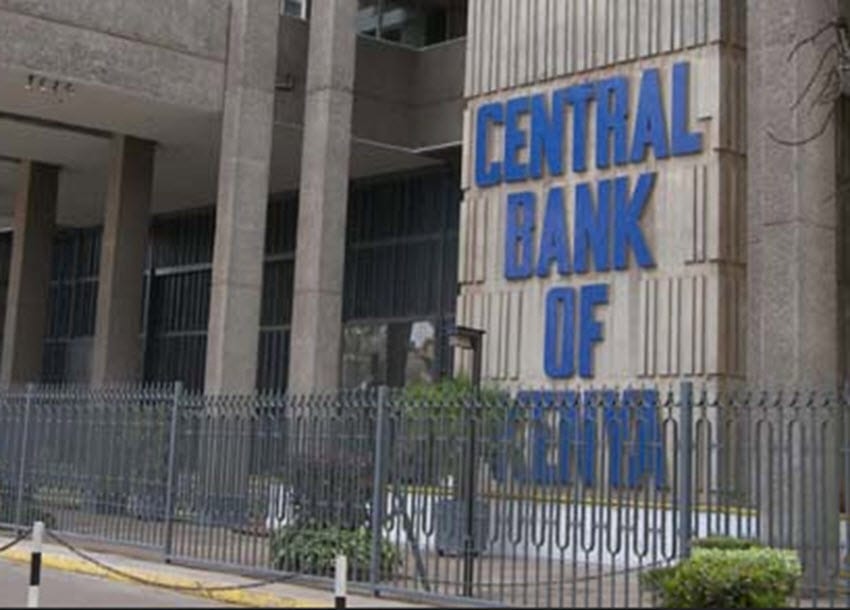
The Central Bank of Kenya (CBK) has accepted bids worth KSh22.2 billion in its latest Treasury bond switch auction, exceeding the KSh15 billion initially offered as investors demonstrated strong demand for long-term government debt.
The auction involved the 15-year Treasury bond FXD3/2019/015, which has 8.3 years remaining to maturity and is scheduled to mature on July 10, 2034.
Switch auctions are used by the government to manage public debt by allowing investors holding near-term maturities to exchange them for longer-term securities. In this case, the operation allowed holders of the FXD1/2021/005 bond to switch into the longer-dated FXD3/2019/015 bond.
Oversubscription Signals Investor Demand
According to auction results released by the Central Bank, the offer attracted total bids worth KSh22.21 billion, translating into a performance rate of 148.06 percent relative to the amount offered.
From the submitted bids, the CBK accepted KSh18.4 billion, which included:
- KSh17.72 billion in competitive bids
- KSh679.48 million in non-competitive bids
The bond recorded a bid-to-cover ratio of 1.21, indicating that demand exceeded the amount the government intended to absorb from the market.
Such oversubscription typically reflects strong investor appetite for government securities, particularly during periods when institutional investors seek relatively stable and predictable returns.
Yield and Pricing
The bond attracted a market weighted average rate of 11.6936 percent, while the weighted average yield of accepted bids stood at 11.5887 percent.
At this yield level, the price of the bond was set at 105.8783 per KSh100, reflecting investor willingness to purchase the security above par value.
The bond carries a coupon rate of 12.34 percent, which determines the annual interest payments made to investors over the life of the security.
In the Kenyan government securities market, the coupon rate represents the fixed interest rate paid on the bond’s face value, while the yield reflects the actual return investors receive based on the price they pay at auction.
Debt Management Strategy
Switch auctions are part of the government’s broader strategy to manage the maturity profile of its domestic debt.
By encouraging investors to exchange bonds that are approaching maturity for longer-dated instruments, the Treasury can reduce near-term refinancing pressures and spread out repayment obligations over a longer horizon.
This approach helps smooth government cash flow requirements and reduces the risk of large debt repayments falling due within short periods.
Kenya has increasingly relied on domestic debt management tools such as switch auctions as part of efforts to manage the country’s rising public debt obligations.
Domestic borrowing through Treasury bills and bonds remains a key financing channel for the government’s fiscal operations, including funding infrastructure, social programs, and budget deficits.
Institutional Investors Drive Demand
Demand for long-term Treasury bonds in Kenya is largely driven by institutional investors, including:
- Pension funds
- Insurance companies
- Commercial banks
- Asset managers
These institutions often prefer long-term fixed-income securities to match their long-term liabilities and investment horizons.
For pension funds in particular, long-dated government bonds provide predictable returns and relatively low credit risk compared with other asset classes.
The switch auction mechanism therefore provides these investors with an opportunity to restructure their portfolios while maintaining exposure to government debt instruments.
Market Context
Kenya’s domestic debt market has continued to see robust participation in recent months despite relatively high interest rate levels.
Government securities remain attractive to investors seeking stable income in a macroeconomic environment characterised by inflation concerns, currency fluctuations, and tightening global financial conditions.
Treasury bonds typically offer higher yields than short-term Treasury bills but require investors to commit capital for longer durations.
The FXD3/2019/015 bond’s remaining maturity of 8.3 years positions it within the medium-to-long-term segment of the yield curve, which often attracts institutional investors seeking predictable long-term income streams.
Outlook for Upcoming Treasury Bond Issues
The Central Bank also indicated that additional Treasury bond issuances are planned for April 2026.
However, the regulator noted that full details of the upcoming bonds—including tenors, issue amounts, coupon rates, and terms—will be released through official prospectuses closer to the issue dates.
Regular bond issuances remain a central component of the government’s domestic financing strategy and are closely monitored by investors for signals on interest rate trends and fiscal policy direction.
As the government continues to rely on domestic borrowing to finance budgetary needs and refinance maturing debt, Treasury bond auctions are expected to remain a key feature of Kenya’s financial markets.